









Maintenance

Prop Inspections: More Than Surface Flaws

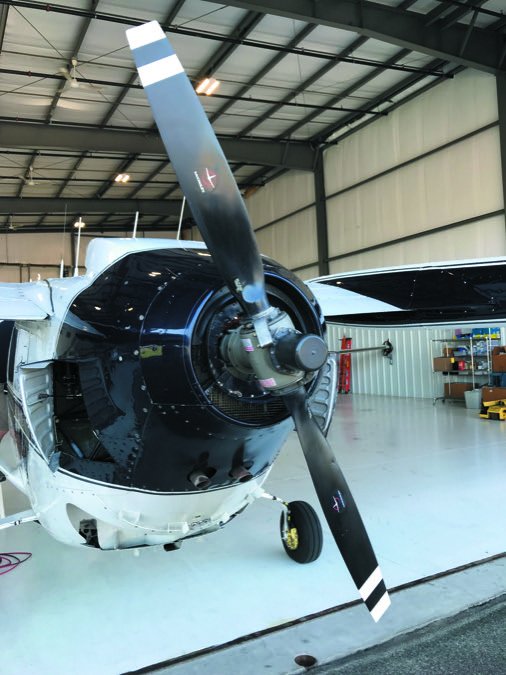
A propeller and its systems are more complex (and critical) than you might realize, evident by the detailed inspection procedures prescribed by the prop manufacturer. The good news is there is a lot of inspecting that can be done without even removing the blades from the aircraft. The FAAs advisory circular AC 20-37E is worth a read as it provides guidance for aircraft propeller maintenance. In particular, the AC provides information and suggests procedures to both increase service life and to minimize failures of metal propellers. Wood and composite props generally follow different repair guidance.


Read More »

Mooney Acclaim Ultra: Tops in Raw Speed

Although its really an incremental upgrade to the long-body M20 series, the Acclaim Ultra was a major certification project for Mooney at a time when were not seeing many of those-from anyone. The results inarguably make the Acclaim Ultra the fastest four-place certified single-engine piston airplane and not just by a little. The Acclaim goes head to head with both its normally aspirated sibling, the Ovation Ultra (see February 2018 Aviation Consumer) and both Cirrus models, the SR22 and SR22T which, together, constitute the current market leaders. That puts the Acclaim into a niche within a niche-a slice of buyers who want speed, but care less about cabin size or payload. Pricewise, at $789,000 base, the Acclaim invoices below the typical Cirrus models.

Read More »

Step-Up Sim Training: Tailor It For You

Any owner with the financial wherewithal to step into the world of aircraft with engines that go whoosh is smart enough to immediately talk the idea over with his or her insurance broker. In addition to getting a ballpark estimate for the cost to insure a used King Air, Citation Mustang or new HondaJet, one of the first things the prospective owner will hear from the broker is that any insurer is going to require upgrade training at a facility approved by the insurer.

Read More »

Honeywell Gets Serious At Airventure

I always think of AirVenture as the last chance, final frontier when it comes to product marketing and this year my eyes were laser focused on Honeywell and its BendixKing division. Once the king of all avionics, BendixKing has been, as we say around the office, the lost ball in tall grass, with a history of unveiling prototypes of fresh products that ultimately end up stalled in a long certification process. The KI300 retrofit EFIS display unveiled several years ago, which is the proposed replacement for the ancient KI256 mechanical flight director, is only one example.

Read More »

Intercooling 101: Detonation Defense

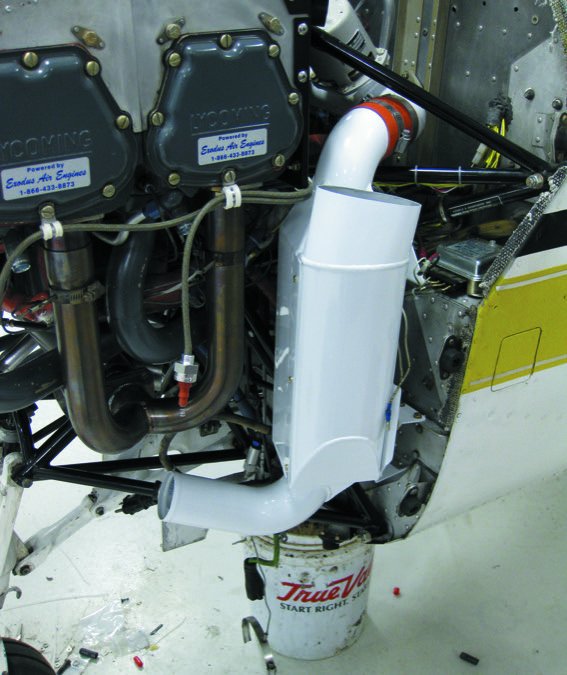
An intercoolers goal is fairly simple: Reduce induction air temperature. If you had a simple Ideal Gas Law PV=nRT compressor, the simple fact of compressing gas (in this case, ambient air) from, say, 10 PSIA and 23 F (at roughly 10,000 feet) back to sea level pressure of 14.7 PSIG would heat the gas. But, in addition to that ideal gas behavior, our turbocharger compressors have other inefficiencies, like internal recirculation and heat transfer from the cowling environment, that heat the gas further. Its not uncommon to see compressor discharge temperatures (CDT) over 200 degrees F at middle altitudes and over 300 F in the flight levels.

Read More »

Aircraft Wash Shootout: Fleet Wash a Favorite

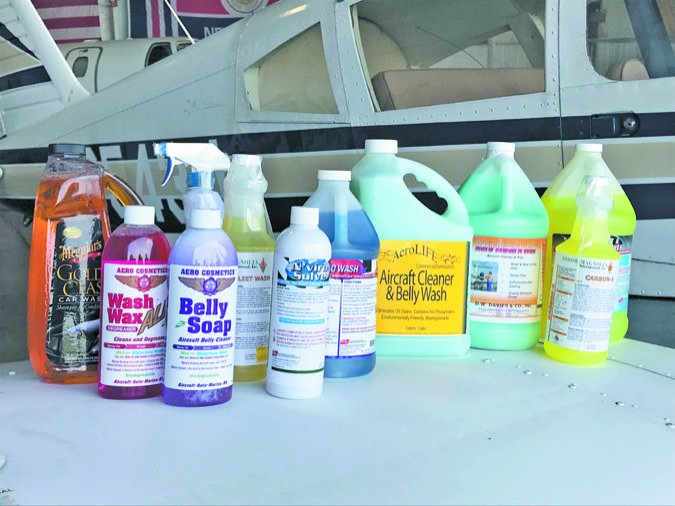
Wear anti-slip footwear that provides solid footing. Youll likely be working with stepladders, perhaps while balancing wash brushes that can damage control surfaces and antennas should you slip. The hangar floor gets slick. Ours was slickened from runoff and nine overflowing wash buckets filled with the proper mixture of soap and water. As we learned, some of the stronger washes work best when undiluted, while serious degreasing and stain removal mean applying the cleaner straight from the bottle. We tried those first.

Read More »

LSA Accident Review: Nothing to Celebrate

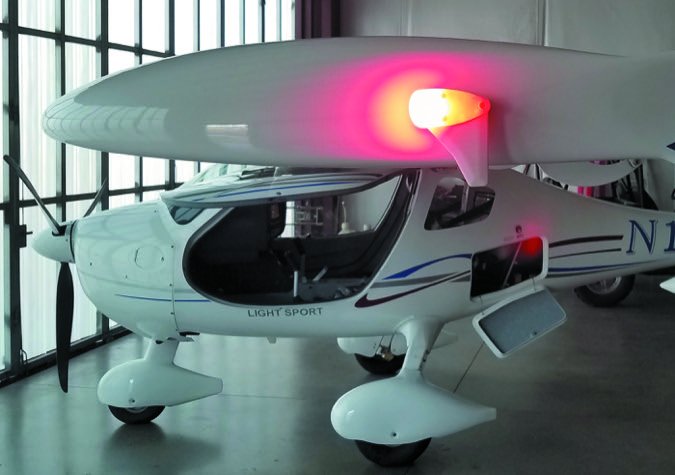
Two decades ago, when the light sport aircraft idea was being hatched, skeptics worried that lighter, cheaper airplanes flown by pilots without medical certs would lead to a spike in the accident rate. After all, without FAA oversight of design, manufacturing and pilot health, how could it not? The reality, while challenging to pin down, is mixed. According to our review, the light sport segment definitely has a higher overall accident rate than that of legacy certified aircraft. The fatal accident rate, by our calculation, is also higher at 1.6/100,000 hour compared to 0.93 for all of GA, but this varies by aircraft model and is a marginal difference because of such small numbers.

Read More »

Aircraft Tugs: Electric Power Dominates

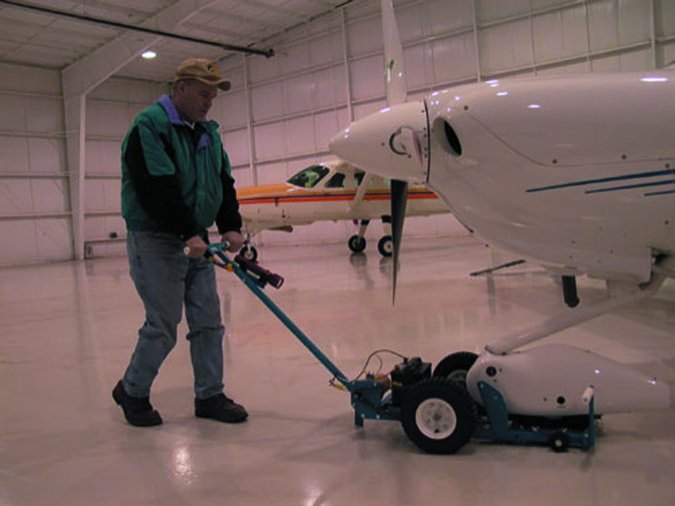
It may have been that moment-after our feet had shot upward from the icy ramp while we were trying to pull the Cheetah out of the hangar and we lay there, watching the nosewheel roll toward our nether regions-that we came to like aircraft tugs. We think that an easily maneuverable tug that quickly hooks onto an airplane and can move it without strain reduces the risk not only of injury to the pilot but hangar rash to the airplane.

Read More »

Cirrus SR22

The oldest SR22 models date back nearly 18 years, where they sold for just south of $400,000. Today you can buy a cherry, first-gen SR22 for less than half. And while there’s little comparison between a G1 and the current SR22T G6, which flirts with $1 million fully loaded, an old Cirrus with updated avionics and a young engine isn’t a bad way to get around.

Read More »

Editors Choice Awards: Cirrus Jet An Easy Win

In each July issue of Aviation Consumer we pick 12 products, services or companies that were standouts over the editorial year. You know, the best of the best. We don’t take our Editors Choice Gear of the Year awards lightly, but when we handed the keys to Cirrus Jet N52CV back over to Cirrus Matt Bergwall after flying it halfway across the country (and spending a couple of days on the factory production floor) we knew we had this years winner.

Read More »

Antenna Upkeep: Performance, Aesthetics

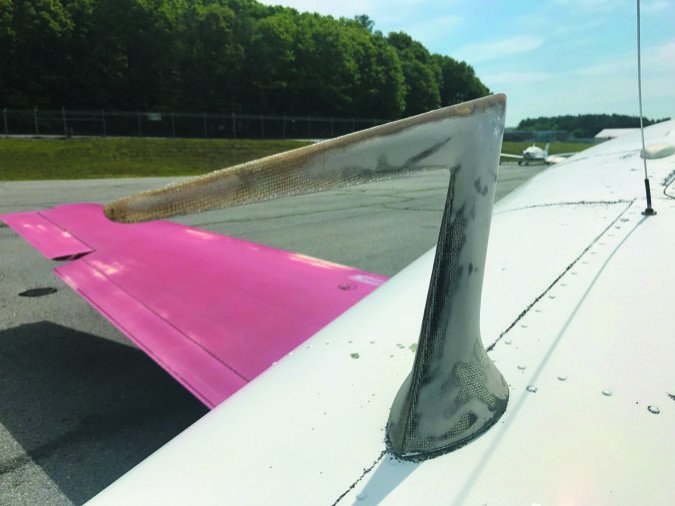
You might not realize it, but antennas are actually major systems that consist of multiple components. Aside from the antenna itself, there’s the signal cable, RF connectors on both ends of the cable and in some systems, a coupler or splitter. For this reason, you might get sticker shock when your shop gives you a quote for replacement. Truth is, replacing the antenna might be the easy part of the job, especially if the airframe is opened up for an inspection or for other work.

Read More »

Bellanca Viking

These days its hard to imagine that a wood and fabric four-place piston single like the Bellanca Viking still exists, but it does. And although there arent great squadrons of them around, the Viking retains a loyal, almost cultish following.

Read More »