









Register

Safety

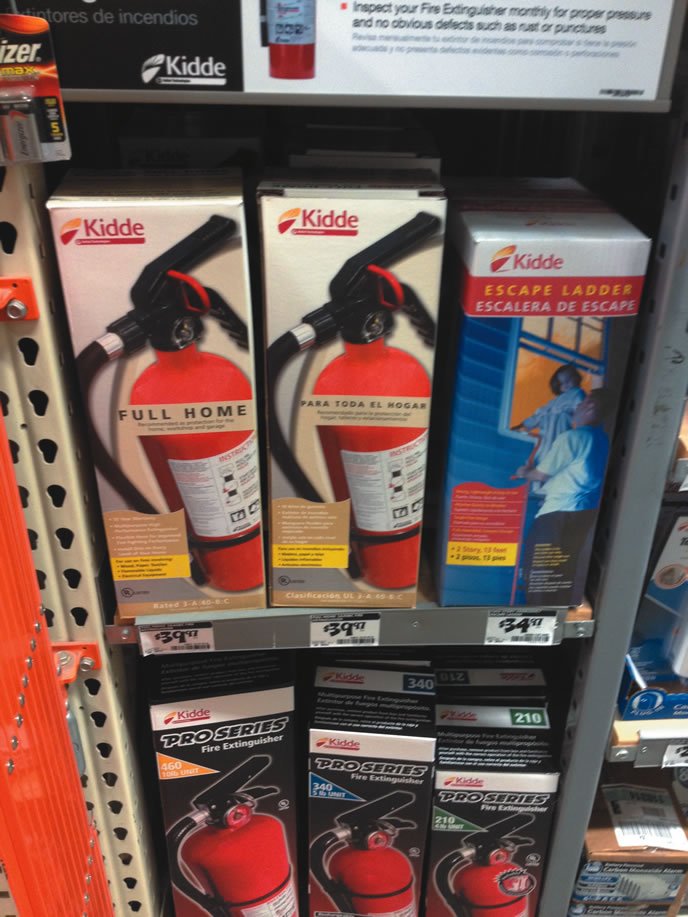
Dry Chem? Not In Aircraft

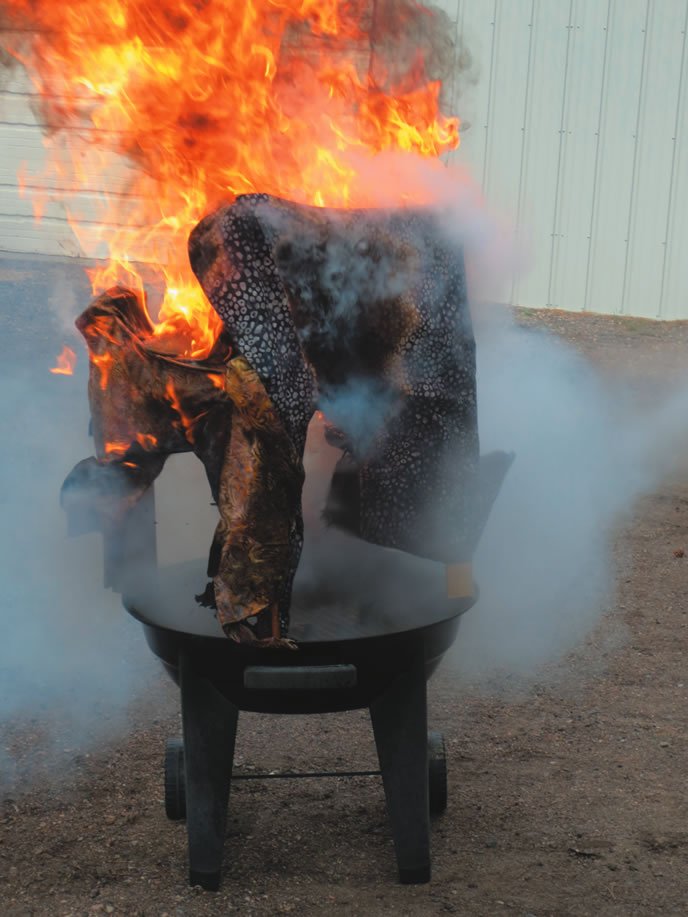
Dry chemical extinguishers have long been attractive because they are less than half the price of Halon and Halon alternative units. A visit to our local Home Depot store and a quick survey on the web found prices for 5B:C and larger dry chem extinguishers in the $35 to $70 range. However, the FAA specifically recommends against using them in aircraft in AC 20-42D. In general, dry chemicals are not recommended for hand extinguishers for internal aircraft use, due to the potential for corrosion damage to electronic equipment, the possibility of visual obscuration if the agent were discharged into the flight deck area, and the cleanup problems from their use.

Read More »

Fire Extinguishers: Halon, Not Dry Chem

The idea of an inflight fire rightfully scares the bejabbers out of pilots. Uncontrolled combustion in a confined space is ugly enough-adding altitude and speed to the mix can make a fire lethal in short order. Its no wonder that pilots dealing with an inflight fire have jumped out of their aircraft even though they had no parachute. While inflight fires are rare, we think that every aircraft should have an effective fire extinguisher in the cabin where the pilot can reach it quickly and easily.

Read More »

Letters: May 2015

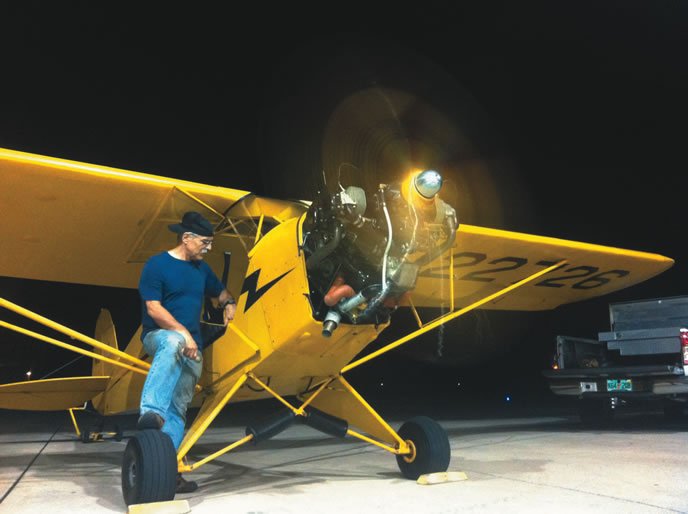
I read Stephen Phoenixs letter in the April 2015 issue of Aviation Consumer, where he effectively states that the Piper J-3 Cubs fuel tank location is not an issue, and that your article is irresponsible because you said it is unsafe. His assertion is wholly unfounded. I was flying my fully restored and meticulously maintained 1937 J-3 Cub at Danbury Airport in Connecticut. While departing a short runway, the engine sputtered. I started a right turn to a long runway and as the nose lowered, the engine sprang back to life. Wishing not to make a forced landing, I made the mistake of turning back to the original heading. The engine quit. Facing a forest and a swamp, I committed the forbidden sin and did a 180-degree turn.

Read More »

Insuring Your Rental Blowtorch

As we researched this article, we heard about a turboprop owner who was renting a single-pilot jet. When asked how he was insuring the jet, he said that he paid a lot of money for insurance on his turboprop and it had better cover him in the jet. He then got concerned and called his broker. Fortunately, his particular policy covered him when he was flying other airplanes-but thats not always the case. If youre going to rent a jet, making sure that appropriate insurance coverage is in place is a huge part of the deal.

Read More »

First Word: May 2015

That was proven at this years National Training Aircraft Symposium held at Embry-Riddle Aeronautical University in Daytona Beach, Florida. The annual event gathered alphabet group leaders, aircraft and avionics manufacturers, and educators from many major aviation colleges and universities. The major focus at this years NTAS event was addressing the challenges of equipping the training fleet for the 2020 ADS-B mandate. But it was also an opportunity for a sales pitch.

Read More »

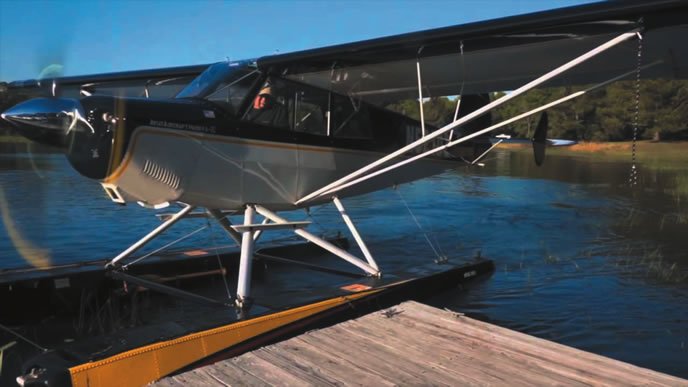
Husky Havoc: Landing Prangs

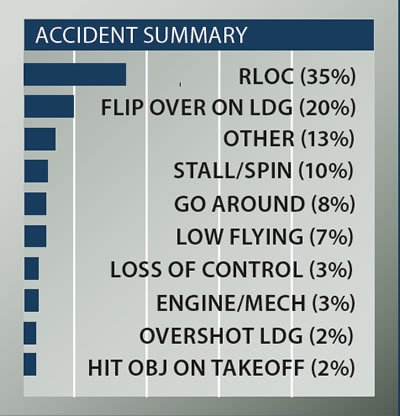
Well start with the good news that came out of our examination of the 100 most recent Aviat Husky accidents: There were extraordinarily few engine/mechanical accidents and absolutely no accidents that were fuel related. In our accident surveys, we expect to see about 15 engine/mechanical accidents-there were three, and two of those were apparently due to carb ice.

Read More »

Letters: April 2015

My airplane partner and I are upgrading the radios in our piston single to bring them into the present century and to comply with the ADS-B mandate. After much thought and discussion, we decided on Avidynes IFD540 box you reviewed in the March issue. Avidynes AeroPlan extended warranty plan offers a free warranty extension for three years. However, to get the extension, we have to sign a Waiver, Release and Indemnification document that could bankrupt us.

Read More »

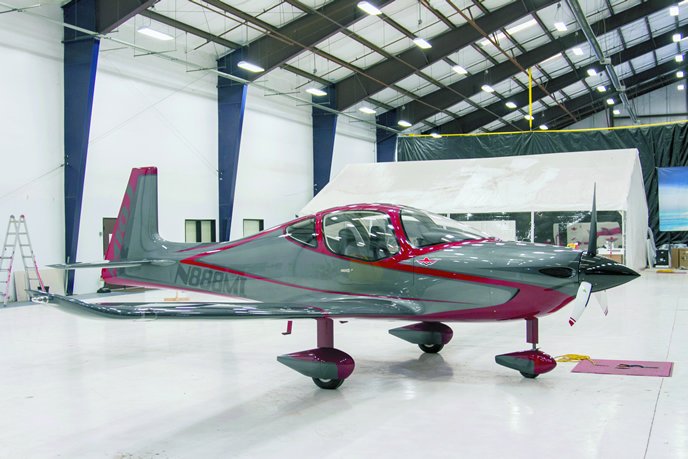
Multi-Engine Trainers: A Strong Field

Acquiring a multi-engine rating is a rite of passage for any pilot who dreams of flying for a living. There’s no denying the feeling of power you get on first grabbing a fistful of throttles and shoving them up to the stop. There’s also no denying that, unless you pay for a type rating yourself, its the most costly rating you’ll get on a per-hour basis. With the market offering three production twins being regularly used as trainers, we were curious as to how they stacked up. We flew each one, spoke to several instructors at flight schools that did a significant amount of multi-engine instruction and used an out-of-production twin thats still used for training for comparison. After all the Vmc demos and engine-out simulations, we came away of the opinion that all of the airplanes have some weaknesses, but none that are crippling-although someone who learns in a Twin Star will need significant additional training to fly anything other than a jet-and that the Tecnam P2006T has the potential to take over the multi-engine training market.

Read More »

What About the Apache?

Affectionately known as the worlds largest flying sweet potato or Da Pop, because all Apache N-numbers originally ended in Papa, the Apache and Geronimo conversions of it, are still seen on training school flight lines.

Read More »

Aircraft Survival Kits: Vest is Best

Every pilot considers the aftermath of having to put an airplane down other than where he or she desires. Every year some pilots are required to put such thoughts into action. Contemplating the worst and preparing for it is something pilots are trained to do-and part of being ready to implement an after-accident plan of action is having equipment available to carry it out. That means having a survival kit in the airplane.

Read More »

In-Flight Icing Training: Ground Only for Most

Training to handle in-flight icing is one of aviations worst Catch-22s: Most pilots fly airplanes that arent certified for flight into known icing-therefore its illegal to take dual to get experience in ice in those airplanes-so the first time a pilot gets into icing conditions, he or she is all alone in of the most complex situations in aviation. The FAAs just say no to flight into icing approach is not rational given that, according to an AOPA study of NTSB data, icing accounts for 10 percent of all weather-related accidents and 22 percent of fatal weather-related accidents. With those kind of odds, it would seem that a pilot who flies IFR where there’s a risk of airframe icing would do his or her utmost to get hands-on experience in dealing with ice in the type of airplane she or he normally flies.

Read More »

Cirrus: Smart Fiki Icing Training

As we researched icing training for owners of non-FIKI airplanes, we generally found that owners of FIKI airplanes could get training in actual icing conditions without too much trouble. Organized courses are not common-although instructors and organizations sometimes include training in actual icing conditions as a part of the checkout process. Also, owners who took recurrent training in their airplanes sometimes worked with their instructors to pick up some ice while doing so.

Read More »