










Register

Search Results for: piper

Safety

G1000 SIM Training: Reality Check

While I’ve flown G1000-equipped aircraft, I’m fairly sure the amount of time I’ve spent in G1000-equipped simulators far outstrips the time I’ve spent in the air with the system at this point. My first introduction to the G1000 was in a Cessna 172-configured sim. Being the somewhat obsessive student I was, I studied the then-new […]

Read More »
Avionics General

Letters From Readers: November 2019

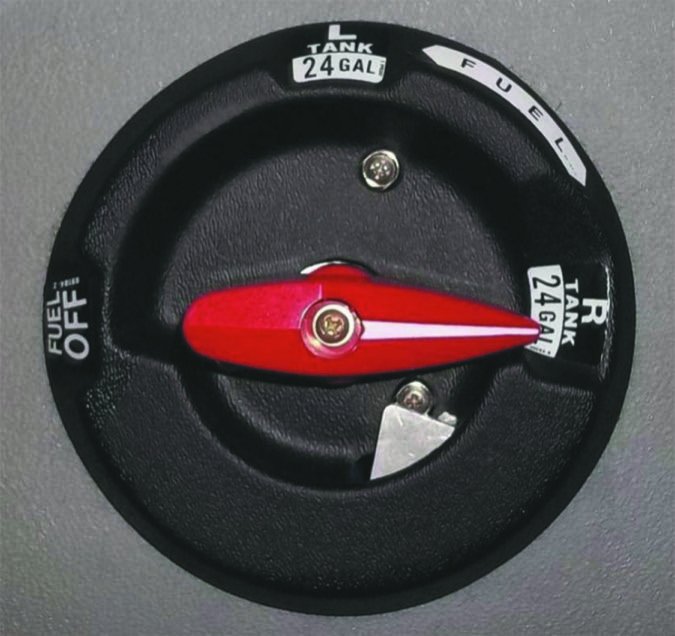
It’s the airplanes with the first-generation fuel selectors you want to be cautious of. In August 2019 the FAA issued an airworthiness concern sheet (ACS) that requests PA-28 owners and operators of first-gen fuel selectors (these are the round, flat-plate selector assemblies installed in the lower sidewall) to provide operational input. It wants to know if operators have mistakenly selected the Off position instead of the intended Left or Right Tank position. It could turn into an AD.

Read More »
Aircraft Review

ADS-B For Jets: Garmin, FreeFlight Tops

It’s no surprise that the U.S. fleet of GA turbines will fall short of the upcoming ADS-B equipage mandate. At press time, 70 percent of small jets and turboprops comply. Some call this the forgotten part of the market-the category between pistons and mid- to large-size bizjets and airliners. And if you’re ready to pull the trigger on the purchase of a small step-up turbine that isn’t ADS-B equipped, you’ll have a problem flying in the ADS-B airspace in a couple of months.

Read More »
Aircraft

Beech Duke:

The model progression represents steady refinement, but the airplane’s configuration remained basically unchanged. In 1971, the Model A60 was introduced with a modest increase in gross weight (up 50 pounds from 6725 to 6775), but useful load and performance dropped a bit. According to book figures, the straight 60 is a much better short-field performer than the A60. However, Duke owners tell us those early figures were extremely optimistic, and that the A60 is only slightly inferior in takeoff and landing performance to its predecessor.

Read More »
Maintenance

Alternator Fixes: Repair, Overhaul, New

Yes, it’s a snoozer of a topic. But that’s great news. As aircraft alternators have quietly become more long-lived, they get less and less attention from owners who, rightfully, focus on the components that give them fits by breaking with frustrating regularity or require repetitive inspection or replacement. That’s good, especially as some owners now have a second alternator in their airplanes to provide a backup power source as part of going to an all-electric panel and getting rid of a component that is definitely less reliable than an alternator-the vacuum pump.

Read More »
Aircraft Stepups

AirVenture Diary: Certification Promises

Priced at $5330, the KI300 has a backup battery for powering the display for up to one hour, has speed and altitude tapes (which can be turned off) and can be installed as the primary (or backup) attitude indicator as long as the airspeed and altimeter indicators are retained. The initial STC includes the Piper PA46 series, but the company said a wide variety of approvals will follow within weeks. I found the instrument to have a decent display, plus it has a stone-simple feature set.

Read More »
Aircraft

Which IFR Navigator? Garmin GNC 355 Wins

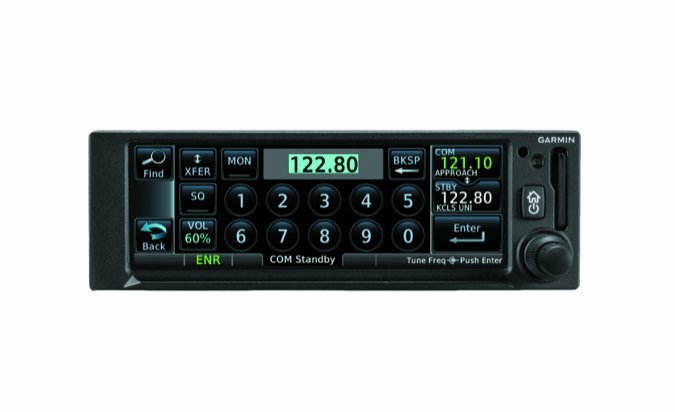
It was around 1996 or thereabouts when Garmin started cranking out the GNC 300XL. This was a TSO C129(A1) IFR approach GPS navigator and as a bonus, it had a utilitarian moving map (of course, any panel map back then was utilitarian) and a built-in VHF comm radio. It had no VHF nav-strictly GPS. The GNC series was a clever idea and almost the perfect solution for backing up a traditional navcomm, or for more basic panels, it worked as the primary rig because of the built-in comm. The cheaper GNC 250XL had a VFR GPS and a simpler install. The GNC series sold like rush-hour coffee at Starbucks.

Read More »
Avionics

Letters From Readers: September 2019

I wish you guys ran that digital fuel sensor article (August 2019 Aviation Consumer) last year when I committed to a JPI big-screen engine monitor for my aging Cessna 206. I was already at the threshold of my budget when I pulled the trigger on the engine monitor job, which of course included fuel quantity to replace the bouncing Cessna OEM gauges. After consultation with the shop manager, I could tell that using the existing senders would be a roll of the dice, so we ended up sending them away for a rebuild.

Read More »
Aircraft

Top Avionics Upgrades: Choices For All Budgets

Of course the dense market doesn’t make an already difficult buying decision any easier. So to help sort it out, in this article we’ll offer an around-the-bases look at the most popular new avionics configurations-from entry-level (for basic aircraft) to higher-budget (for go-places higher-end machines). The idea is to arm you with enough knowledge to talk the talk with your avionics shop when they make suggestions for a package. It’s also time for our ADS-B buyer’s guide, and it follows this article. Let’s begin with an ADS-B wrap-up.

Read More »
Maintenance

Spinner Upkeep: More Than Aesthetics

About the only time we pay much attention to propeller spinners is when cleaning the bugs off, and hopefully at the annual inspection. Truth is, spinners are one of the most overlooked parts on the airplane because they’re generally trouble-free. It’s an accessory that is always there (although they can depart the airplane), subtly adding to the look of your aircraft and frankly, as something pointy out front where it pierces the air and helps the plane get the most speed, engine cooling and power.

Read More »