Modifications

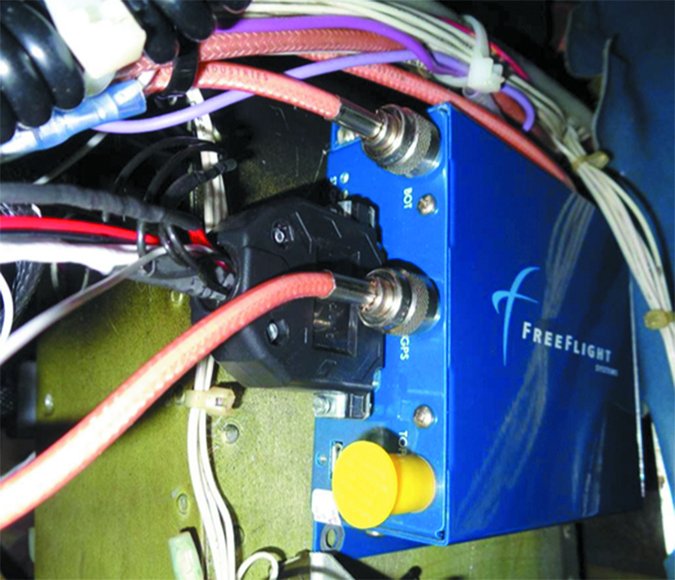
L-3 NGT9000 ADS-B: Expanded Capabilities

When L-3 introduced the Lynx NGT9000 multifunction ADS-B transponder in 2015, we nearly dismissed it for all but the highest-end applications. With a starting price that put it we’ll north of ten grand, the NGT9000 seemed like a questionable investment for buyers looking for an affordable path to ADS-B compliance.

Read More »

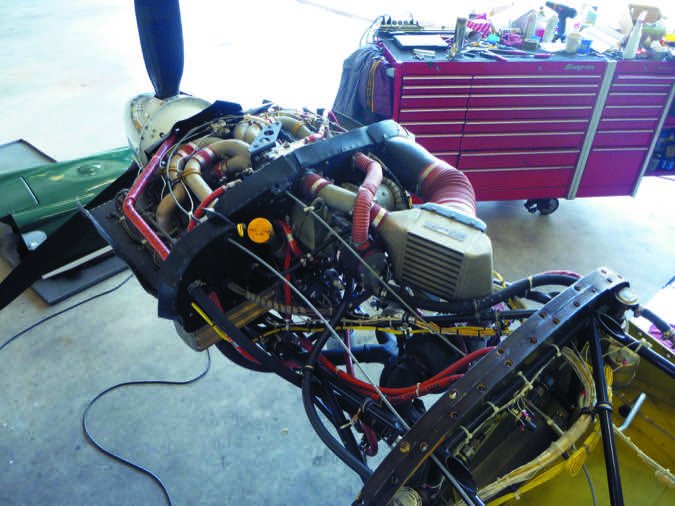
Resale Matters: Factory vs. Field Engines

A colleague faced with an engine swap on his Baron recently asked me a tough one: Will a factory remanufactured engine-as opposed to a quality field overhaul done by a respected shop-greatly influence the resale value of the aircraft? Moreover, will the Baron be more difficult to sell without factory engines? The quotes he got showed almost a $10,000 delta, per engine, between a field overhaul using new cylinders and a Continental reman. Before hitting the pavement and asking several industry pros to weigh in, we threw the question out on sister publication AVweb.com to see what readers would do. The results were predictable.

Read More »

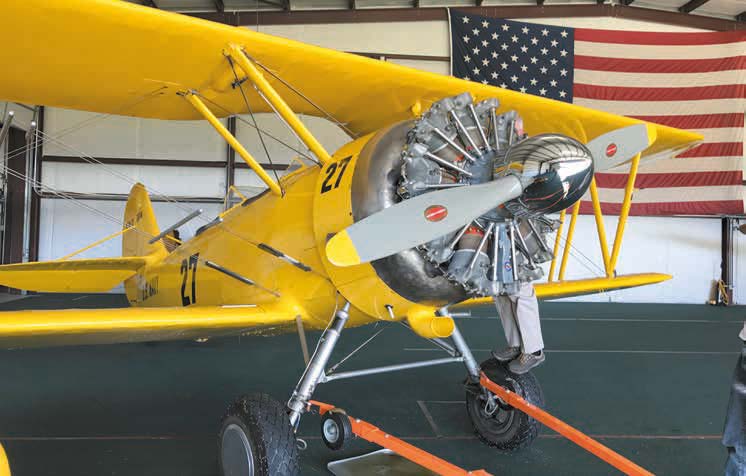
Antiques and Classics: Owning and Operating

Admit it. Despite your protestations to the contrary, youve lusted in your heart for an old airplane. It may be a classic such as a postwar Piper J-3 Cub-well use EAAs classic definition of aircraft built from September 1, 1945, through the end of 1955-an antique such as a Beech 18 or one of the many Wacos, or-yes, you know you want it-a warbird. Believe it or not, ownership of a classic, antique or warbird (CAW) isn’t as esoteric or unreachable as you may think.

Read More »

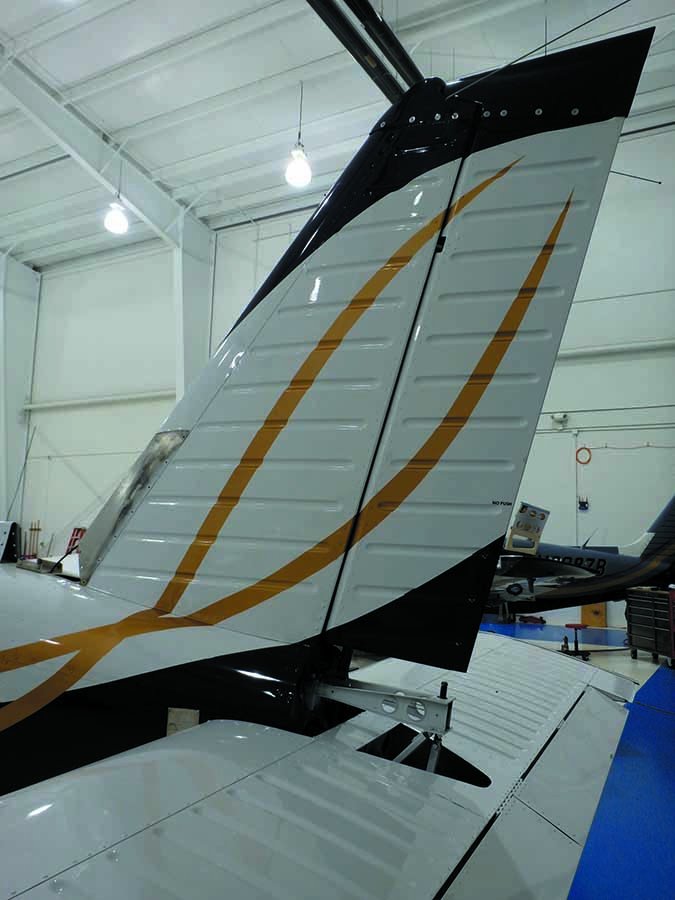
Control Rigging 101: Check It Yourself, First

The chore of rigging the flight controls-which includes, among other things, adjusting control cable tensions-is a maintenance item thats often neglected by owners and mechanics alike. After all, what could possibly change if the airplane has not changed? But change it does. Parts wear out and clearances change, cables stretch, brackets warp and maintenance of seemingly unrelated systems can lead to unforeseen rigging mayhem. At a minimum, improper rigging means lost airspeed. At worst, it can mean a lost airplane. In this article, we’ll look at the symptoms and describe a do-it-yourself process for checking the rigging on your own. The legwork could save you some shop labor.

Read More »

The FAAS $500 ADS-B Handout Tightens Competition

As you probably heard, the FAA is offering a limited first-come, first-served $500 rebate for certain mandate-compliant ADS-B equipment installations. This isn’t a generous gift to aircraft owners, of course. Obviously, its the FAAs first effort (there could be more) to get owners into avionics shops to have ADS-B Out equipment installed before the end of 2019. While the ADS-B market has become sharply competitive, the decline in equipment prices hasnt exactly created a surge of upgrades. The FAA says about 18,000 GA airplanes and 500 or so commercial aircraft have equipped so far. That means as many as 150,000 still need to be equipped in the remaining 42 months. After paying for a basic $4000 ADS-B project, eventually finding a $500 check in the mailbox is better than nothing. But, there’s a dilemma, which is stirring competition.

Read More »

Budget Fuel Totalizers: Insight, Shadin Tops

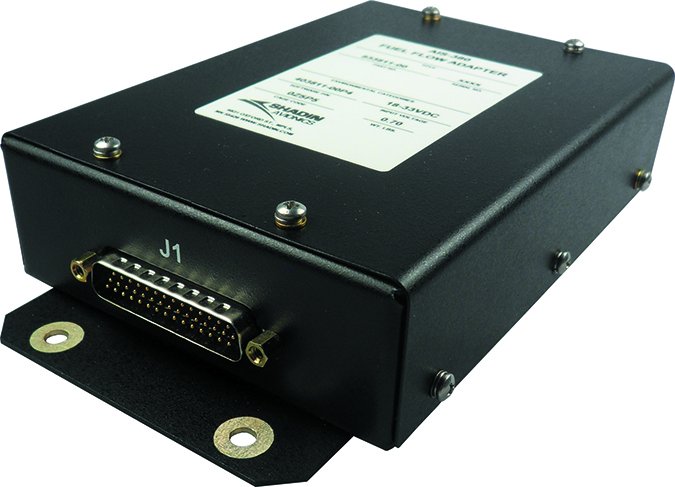
Among the many avionics gadgets to install, an aftermarket fuel totalizer could offer the most utility. These devices are simple to operate, they work with most modern GPS navigators for trip endurance calculations, and while installation technique is critical, they arent overly complex to retrofit. There are four major players in the standalone fuel computer market: Shadin Avionics, Insight Avionics, JP Instruments and Electronics International. In this article we’ll look at each product line and show how they can interface with a GPS navigator.

Read More »

BendixKing KSN770: Slowly Maturing

When we flew with the KSN770 in late 2013, we found a fully functional and capable navigator, seemingly catering to whats left of King Radio loyalists. It has robust controls, has a bright VGA display and it has a rich feature set thats compatible with a generous list of LRUs, including weather radar and TAWS-B terrain. Who knows why certification dragged on as long as it did?

Read More »

Nextant Aerospace Puts the Aerodynamics Into Aircraft Manufacturing

Modifying airplanes that the original manufacturer got almost right has been a constant in general aviation. But lately, we call it something different: remanufacturing. And if any company is the Alpha dog of this process, its Cleveland-based Nextant Aerospace, which has had impressive success remanufacturing Beechjet 400As. Now its poised to repeat the trick with the popular King Air C90 series.

Read More »

Bringing Automotive Technology to Aircraft Exhaust Sytems

After years of developing and manufacturing speed mods for Piper aircraft, Robin Thomas started Power Flow Systems (www.powerflowsystems.com) with the intent of using automotive technology to design tuned exhaust systems for aircraft. To accomplish this, Power Flow says it customizes the exhaust tube for each cylinder so its length-from cylinder to the collector where the tubes join-causes the low pressure traveling down the tube behind an exhaust puff to reach the collector in time to suck out the exhaust from the next cylinder.

Read More »

Best case overhauls are rare

As part of its business plan to expand opportunistically, Continental Motors got into the PT-6 business in 2015 by purchasing United Turbine, a Miami-area shop with 24 years of turbine overhaul experience.Like other shops of its type, United is a Swiss Army knife of sorts, taking on virtually all models of the PT-6A and the Twin-Pac PT-6T. Shop manager D.J. Davant ran us through the workflow on a recent visit.As with piston overhauls, engines are brought in, stripped, cleaned and inspected for damage and out-of-spec parts. A good deal of that inspection involves non-destructive analysis to detect hidden cracks. United, as per FAA requirements, strictly follows the P&WC overhaul manual, but unlike the factory, it can rely on less expensive PMA parts or FAA-approved repairs that the factory might or might not use. (As noted, P&WC isn’t forthcoming about the details of its overhauls and wont quote even price ranges until it sees an engine.)


Read More »

PT-6 Overhauls: Complex and Expensive

As a variation on the tired trope about not being able to afford something if you have to ask its price, we offer this: If you want a detailed understanding of all there is to know about the myriad models of Pratt & Whitneys workhorse PT-6 turbine, youd need a career change just to frame the question. If variety is the spice of life, the PT-6 is off-scale high on the Scoville index.Daunting or not, PT-6s eventually have to be overhauled and the market for such services is competitive and well-served, albeit structured a bit differently than the piston-engine overhaul world. Given the complexity, newbie PT-6 owners-and there appear to be more every year-may be unavoidably dependent on advice from shops which either specialize in aircraft powered by the PT-6 or, better yet, independent consultants who understand these unique engines.

Read More »

AirVenture Diary: Engines, Refurbs, EFIS

We generally don’t know what to expect going into AirVenture at Oshkosh, and with several ho-hum years of late, we don’t expect a lot. But with near-perfect weather, 550,000 attendees, 10,000-plus local-area arrivals, over 800 vendors (up 140 from last year) and only one major non-fatal wreck, this years AirVenture impressed. Plus, there was no shortage of new product announcements.

Read More »