Maintenance

Resale Matters: Factory vs. Field Engines

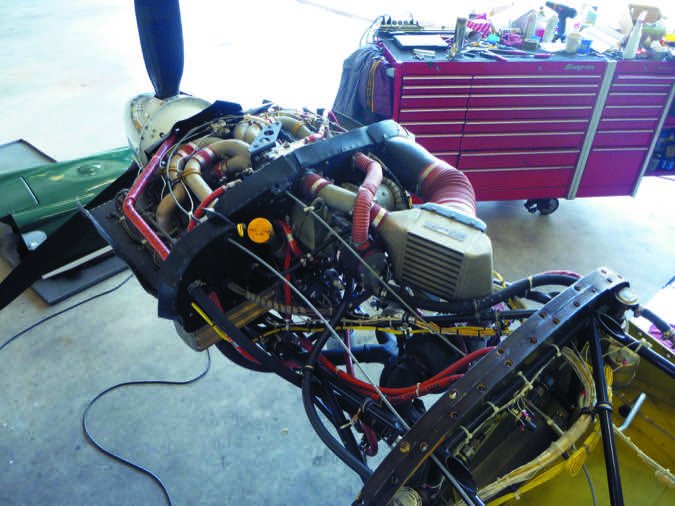
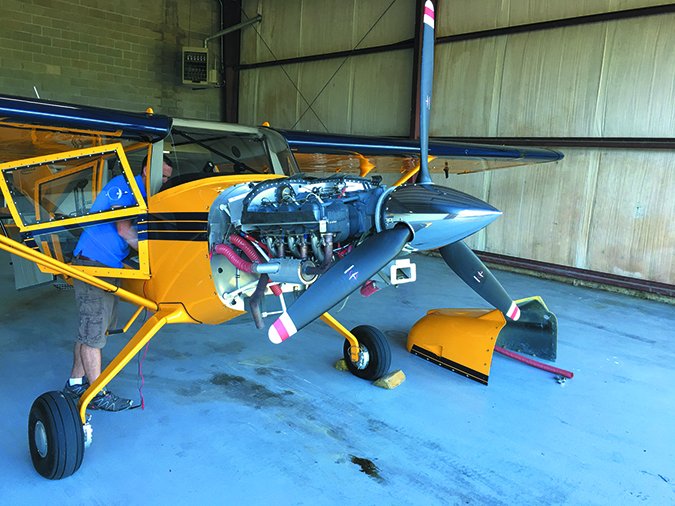
A colleague faced with an engine swap on his Baron recently asked me a tough one: Will a factory remanufactured engine-as opposed to a quality field overhaul done by a respected shop-greatly influence the resale value of the aircraft? Moreover, will the Baron be more difficult to sell without factory engines? The quotes he got showed almost a $10,000 delta, per engine, between a field overhaul using new cylinders and a Continental reman. Before hitting the pavement and asking several industry pros to weigh in, we threw the question out on sister publication AVweb.com to see what readers would do. The results were predictable.

Read More »

Washing and Polishing: DIY The Right Way

Even the best professional aircraft detailers or products wont be able to resurrect some neglected paint finishes. Thats why its important to preserve the paint finish early with regular cleaning and polishing. Far from a mindless chore, there’s more to do-it-yourself cleaning jobs that you might think, including protecting expensive accessories like antennas, de-ice boots and propellers. Like any other job you might tackle yourself, there’s a right and wrong approach to cleaning the aircraft. Heres how we would do it.

Read More »

Fuel Gauge Upkeep: Parts Supply Is Good

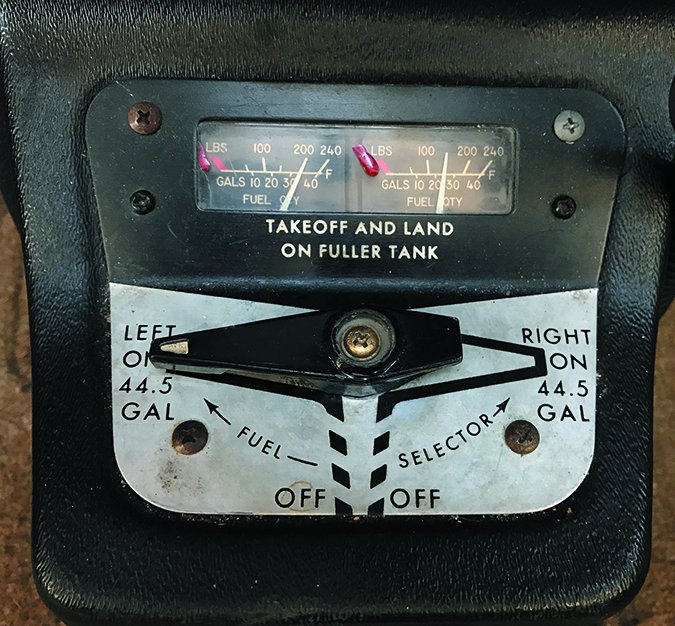
Ignorance is bliss, but there’s a dark feeling when a pilot realizes there is far less fuel on board than the fuel gauges indicate. Get lucky like I once did and you’ll recognize the inaccuracies inherent with aging analog fuel quantity gauges when youre on the ground. The next step is chasing the problem, which means removing the instrument for testing and rebuilding and recalibrating the fuel measuring sensors in the tanks.

Read More »

Antiques and Classics: Owning and Operating

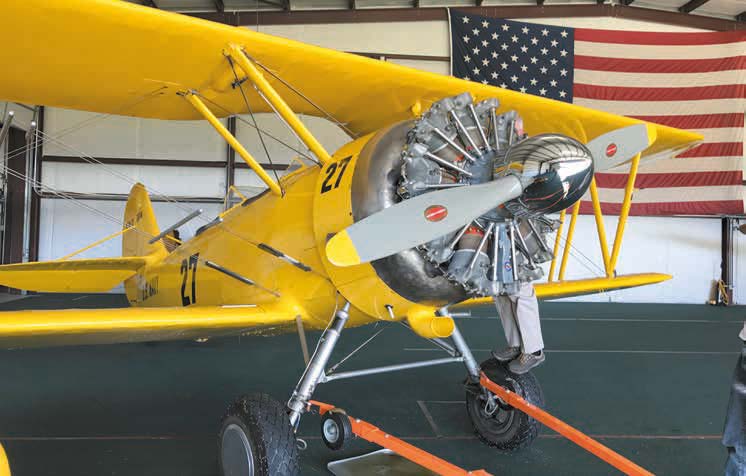
Admit it. Despite your protestations to the contrary, youve lusted in your heart for an old airplane. It may be a classic such as a postwar Piper J-3 Cub-well use EAAs classic definition of aircraft built from September 1, 1945, through the end of 1955-an antique such as a Beech 18 or one of the many Wacos, or-yes, you know you want it-a warbird. Believe it or not, ownership of a classic, antique or warbird (CAW) isn’t as esoteric or unreachable as you may think.

Read More »

Flying Club Leaseback: Magical Triangle

The management at California-based Plus One Flyers-the oldest and largest flying club in the country-believes it has found the ultimate solution to both problems. It has nothing to do with making a profit, but more about sustaining aircraft ownership. Plus Ones president Tom Reid calls it the magical triangle thatll work for any flying club.

Read More »

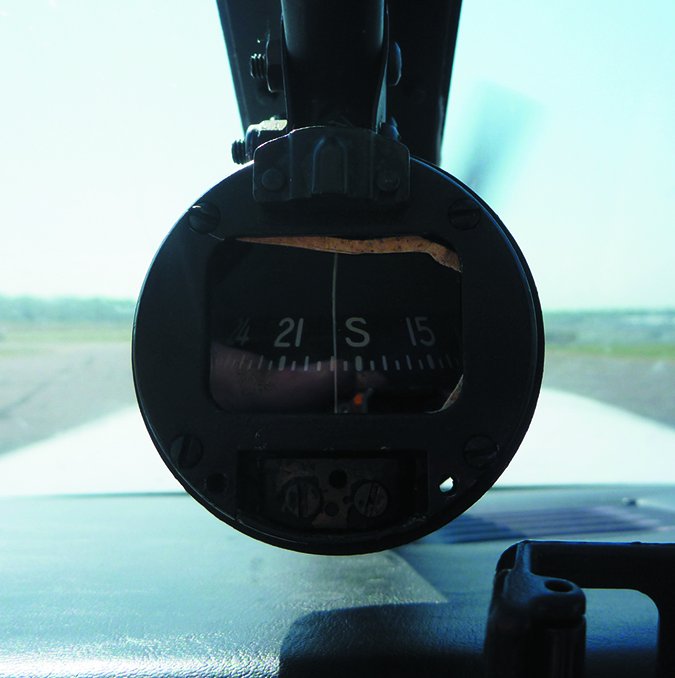
Magnetic Compass Upkeep: More Than Fluid Fills

Among the minimum equipment required for VFR and IFR flying, FAR 91.205 still lists the magnetic direction indicator as a must-have item. Dont confuse this with the gyroscopic (or equivalent) directional indicator. Thats required for IFR, in addition to a compass. Given the primitive nature of a magnetic compass, owners are often shocked at the impressive invoices it can generate when it fails. And compasses do fail. Ever have one that leaked its fluid down the front of the instrument panel?

Read More »

Control Rigging 101: Check It Yourself, First

The chore of rigging the flight controls-which includes, among other things, adjusting control cable tensions-is a maintenance item thats often neglected by owners and mechanics alike. After all, what could possibly change if the airplane has not changed? But change it does. Parts wear out and clearances change, cables stretch, brackets warp and maintenance of seemingly unrelated systems can lead to unforeseen rigging mayhem. At a minimum, improper rigging means lost airspeed. At worst, it can mean a lost airplane. In this article, we’ll look at the symptoms and describe a do-it-yourself process for checking the rigging on your own. The legwork could save you some shop labor.


Read More »

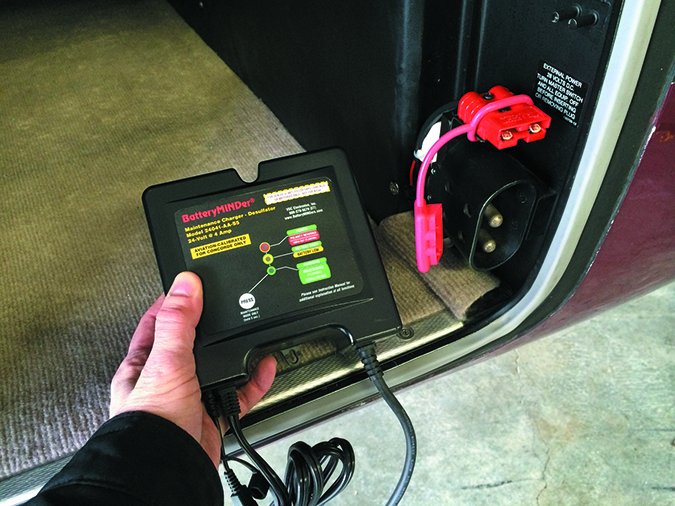
Battery Upkeep: Charge It Right

As technicians, we know for certain that pilots have problems maintaining the health of aircraft batteries, with expensive consequences. If youre among the crowd that buys a new one every two years-or sooner-you know that a new battery will set you back at least $165 for a Gill flooded model to we’ll over $200 for a Concorde sealed model. These are entry-level prices that don’t include labor.

Read More »

Aircraft Breakdown Assistance: Help Away From Home

If youre a member of Sportys new Breakdown Assistance Program (BAP), no matter what time of the day or night it is, you pull your membership card out of the glove box, call the phone number on it and provide your membership information. Within 15 minutes-current average wait time is five minutes-you’ll get a call from a person who is an A&P and IA, is looking at the file on your airplane and will start the process of troubleshooting the problem and getting you on your way. From our perspective, its a 24/7 AAA service for general aviation.

Read More »

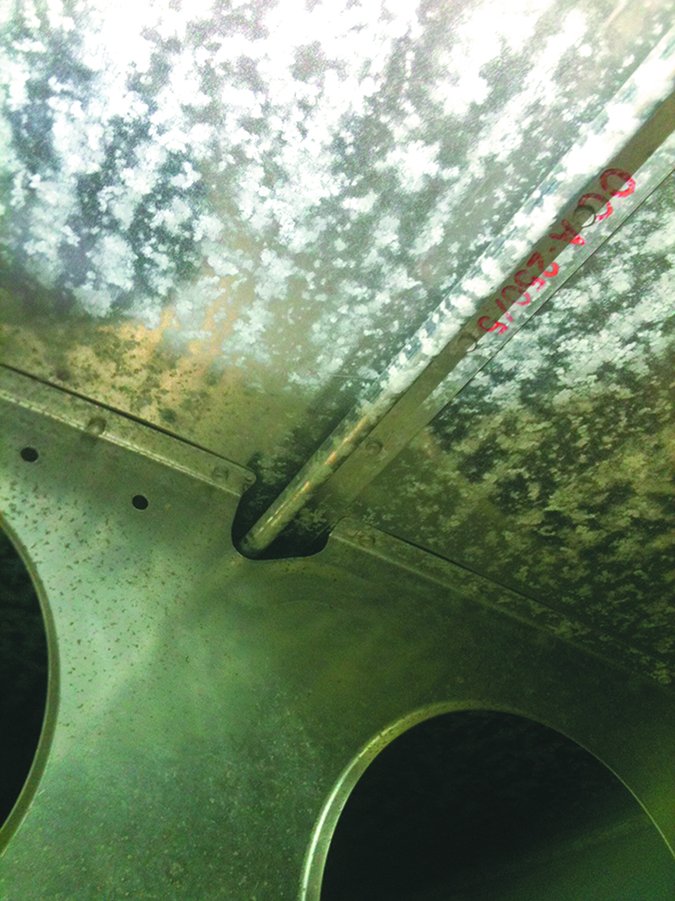
Aircraft Corrosion Prevention: Cheap Insurance

While researching information on aircraft corrosion and corrosion prevention, I ran across my nomination for understatement of the week in an FAA publication. It said, . . . the amount of maintenance required to repair accumulated corrosion damage and bring the aircraft back up to standard will usually be quite high. No kidding. The reality is staggering-some years ago I was shown the bills paid by an owner for corrosion repair. He had bought a Louisiana-based twin without a prebuy examination. Over the next two years he expended more than hed paid for the airplane to repair damage to the structure and skins from corrosion.

Read More »

Anti-Corrosion Treatment: When? How Much?

Whether and when to apply CorrosionX or ACF-50 depends on the age of the airplane and where it primarily flies. Over the last 15 years, manufacturing changes have meant that new airplanes come out of the factory with far superior corrosion-resistant treatments than previously. Based on what I learned preparing this article, if your airplane […]

Read More »

Diesel Reset: Improved Economics

When modern aerodiesel engines made their surprise appearance at the Berlin Airshow in 2002, the numbers didnt add up once the costs ultimately came to light. The engines were certainly economical, but they were twice as expensive as gasoline engines, had half the TBOs and required pricey gearboxes and other components at short-run hours intervals. A decade and a half later, these automotive-based engines may finally be turning a corner of sorts, with the announcement by Continental Motors last spring that its CD135/155 series engines will have replacement intervals increased to 2100 hours from 1500 hours.

Read More »