Training

Letters From Readers: October 2017

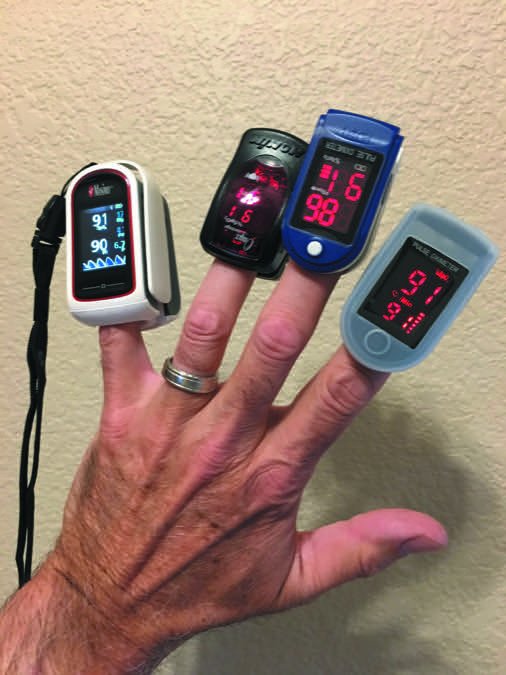
Great article on pulse oximeters in the September 2017 issue of Aviation Consumer. I have been using them for almost two decades and keep one in my turbocharged Bonanza and another in my glider. I routinely fly in the teens and I always insist that passengers use the pulse oximeter every half hour or so just as I do.

Read More »

Cirrus Vision Jet: Near Perfect Execution

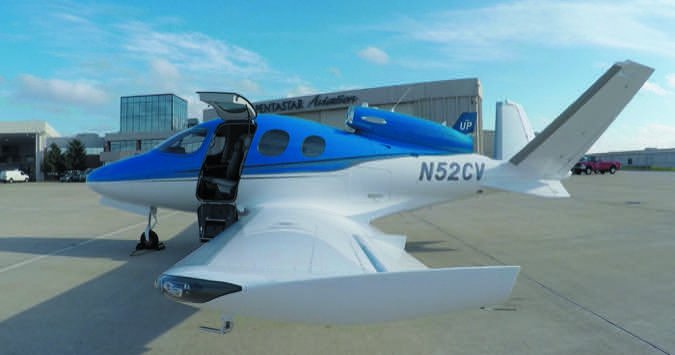
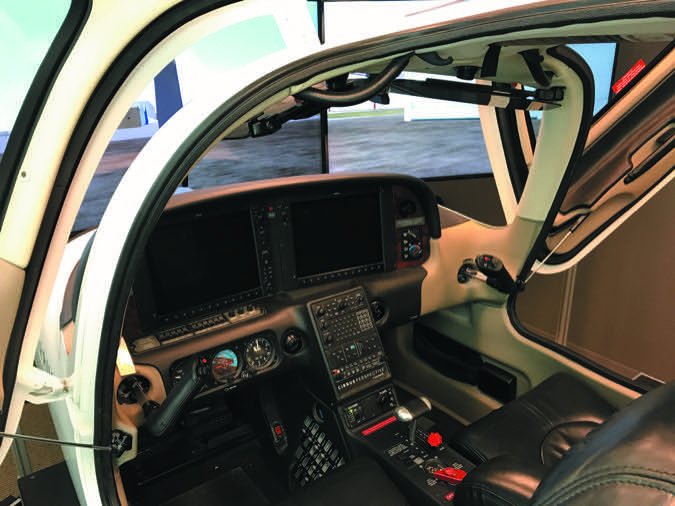
For a moment, lets forget that the Cirrus SF50 Vision Jet is arguably the most technically advanced personal light aircraft weve ever flown. Or that Cirrus likely will achieve its goal of making it a safe step-up jet for qualified SR22 piston pilots. Moreover, its cabin and cockpit dwelling is perhaps the most satisfying weve experienced. But in our view, the most impressive thing about the Part 23-certified SF50 is that it even exists to talk about.

Read More »

Fleet-Wide Complimentary Cirrus Training

In the early 2000s Cirrus learned that equipping an airplane with a parachute and gee-whiz avionics doesnt necessarily make it safe. As was proven more recently, favorable accident stats come from focused training. But as one Cirrus sales pro put it, its the Wild West when it comes to the market of used SR20s and SR22s because some buyers either get the wrong training or in some cases, no transition training at all. A get-in-and-go approach doesnt work we’ll in a Cirrus.

Read More »

Cheetahs and Tigers

The Grumman Cheetah and bigger-engined Tiger may be overlooked by some buyers searching the crowded under-$50K used airplane market. In fact, among entry-level Cessna and Piper models, the AA-5A Cheetah could very we’ll be a used market leader. With a sporty slide-back canopy, snappy handling and reasonable cruise speed for its fuel-sipping 150-HP powerplant, a Cheetah works for training, traveling and for tooling around the local area. On the other hand, the 180-HP AA-5B Tiger might be the better of the two cats when more climb performance and load-hauling is needed.

Read More »

Training, Certification and Insurance

Not surprisingly, when youre about to fly an airplane with more than enough torque and P-factor to roll you inverted in a heartbeat, malicious stall behavior and the ability to blow through the 250-KIAS-under-10,000-foot speed limit and laugh, the FAA and insurers are going to have something to say about it.

Read More »

The CFI Rating: Getting It, Using It

Weve been following the debate over the existence of a pilot shortage with some interest. We think that one piece of evidence has shoved the needle to the Yep, there is one side of the scale so definitively that the debate is over: Flight schools are actively recruiting flight instructors and paying them a living wage. In some cases flight schools are also offering hiring bonuses.

Read More »

Letters from Readers: April 2017

I read the article on owning and maintaining classic and antique aircraft in the March 2017 issue of Aviation Consumer and can certainly relate to the challenges of keeping these old birds. Ours wasnt quite as exotic as your examples-we had a polished 1949 Beech A35 Bonanza-but even with the benefit of continuous production, parts were occasionally a challenge.

Read More »

Letters from Readers: March 2017

A critical (but simple) ground check you did not mention is when examining the through-bolts holding the nosewheel scissors to the airplane, put a wrench on the bolt head and turn it. If the bolt is straight then the scissors will not move, but if its bent you will see the scissors move up and down as the bolt rotates. According to my IA, if you catch this early its pretty easy for a tech to remove and replace the bolt, but if its too far bent, as he saw on a Cessna 182 hed recently worked on, he has to remove the nosegear assembly and get the bolt out using a press.

Read More »

Icon Flight Centers: Fly Before You Buy

Unless you own a seaplane, the buzzkill after earning the seaplane rating comes when you try to rent one, or at least it was for me. With the ink still wet on the certificate and my chest puffed with confidence, I was ready to ditch the shirt and go splashing in the central Florida lakes, but couldnt go solo because Browns Seaplane Base in Winterhaven, Florida, doesnt rent its training fleet. I totally get it; Browns fleet of J3 floatplanes are too valuable to day-to-day cash flow to risk getting crunched and grounded, plus the insurance is off-the-charts expensive. If Michigan is a destination, Northwoods Aviation in Cadillac might let you rent its SuperCub on floats (skis, in the winter) after 10 hours of type experience and a signoff. Bring your own seaplane insurance-it isn’t included.


Read More »

ADS-B, Mooney, Upset Training

Your article on ADS-B transponders suggests you can save $500 by wiring in your existing Stratus portable ADS-B receiver to the new Stratus ESG transponder, instead of buying the new 2i receiver. This is true only if you don’t wire it in, but continue to use it standalone. I just had NexAir Avionics in Massachusetts install the Stratus ESGi transponder system in my Ercoupe and I chose the package with the 2i because the savings without it is only $350. That is because the interface cable set costs $150, but its included with the ESGi bundle.

Read More »

AirVenture Diary: Competition, Stability

Its hard not to pass judgment on the health of the industry by what companies unveil at AirVenture. Still, as weve witnessed before, major manufacturers may show up with more new product announcements than we can cover in a week, but that doesnt mean the industry is rolling along fat, dumb and happy. This year, vendors did seem happy, and while many werent fat with record sales, everyone seemed to agree that the show simply had a positive vibe, perhaps signaling the stability weve been looking for in previous years.

Read More »

Aircraft Breakdown Assistance: Help Away From Home

If youre a member of Sportys new Breakdown Assistance Program (BAP), no matter what time of the day or night it is, you pull your membership card out of the glove box, call the phone number on it and provide your membership information. Within 15 minutes-current average wait time is five minutes-you’ll get a call from a person who is an A&P and IA, is looking at the file on your airplane and will start the process of troubleshooting the problem and getting you on your way. From our perspective, its a 24/7 AAA service for general aviation.

Read More »