Register

Safety

Cirrus Safety: Fatals Down

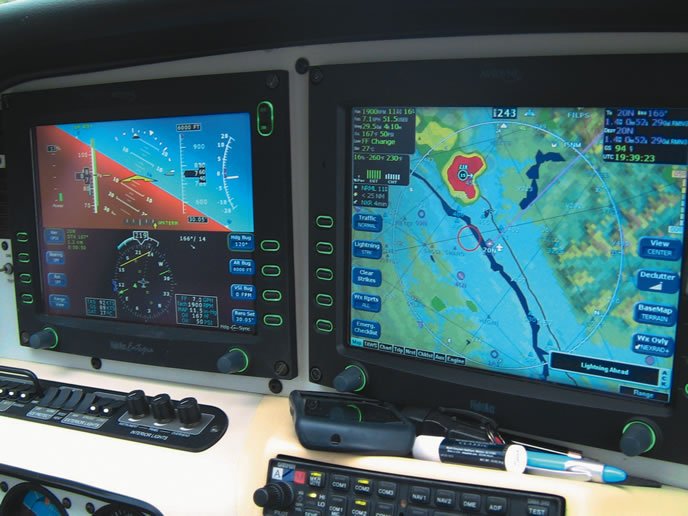
If its true that the SR20 flies like an SR22, its also true that it crashes like one. Thats why the Cirrus training approach for both aircraft are nearly identical. When we looked at 50 random SR20 crashes in the NTSB reports, it came as no surprise that runway loss of control events topped the chart.

Read More »

Letters: December 2014

I just read with much interest your review of the Beech 35 series in the November 2014 issue of Aviation Consumer. My family and I owned an A35 for 10 years (thats it in the lower photo), having sold it for upgrade to an A36. I tend to agree with most of your points, with a few exceptions and critical points you left out.

Read More »

Field Certs Need Fixing, Too

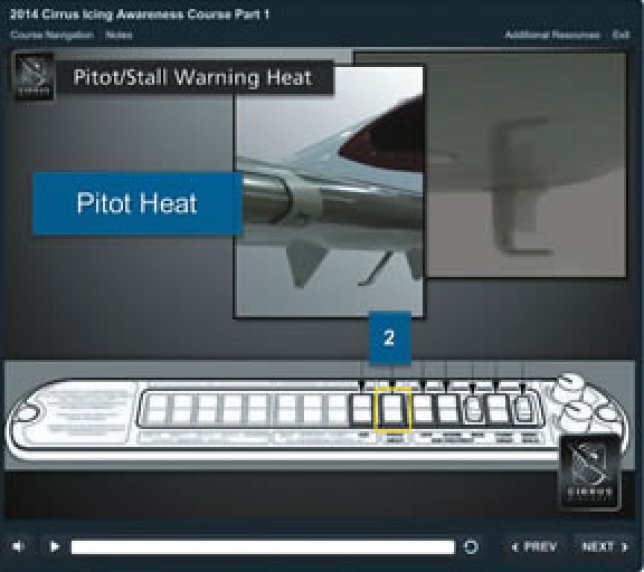
Since many aftermarket products are certified under AML STC (thats blanket approval for a large number of aircraft models), the demand for FAA field approvals has lessened over recent years, but the process is complex. Field approvals require sizable amounts of paperwork and coordination on the part of the installer, while the aircraft owner absorbs the cost and downtime. Shops we talked with are frustrated with the process.

Read More »

Cirrus SR20: Training, Traveling

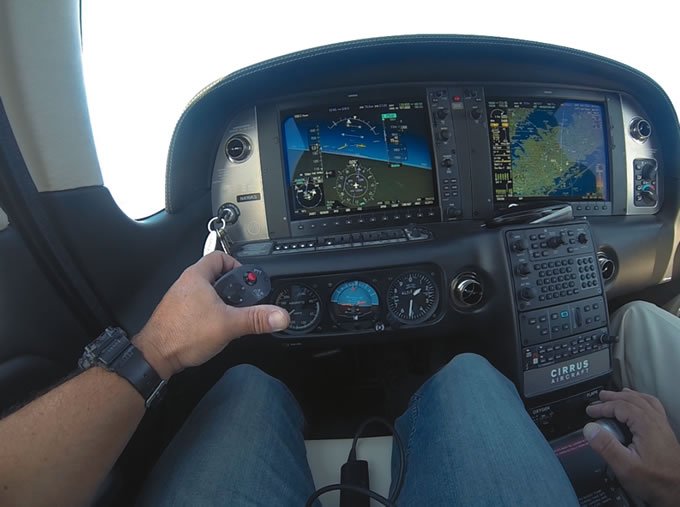
According to GAMA sales numbers, the Cirrus SR22 outsold every other piston single in 2013, including the entry-level SR20.Whats interesting is that the SR20 arguably has a broader mission profile than the SR22. Cirrus even markets the SR20 as a dual-role aircraft that can function as a trainer and distance traveler. Perhaps that is why SR20s are more likely to end up on flight school ramps than in personal hangars.

Read More »

Life Guardian Aero455: Panel-Ox, CO Minder

The Guardian Aero455 panel oximeter might not have been invented if company founder Ash Vij didn’t find himself crossing the Rockies in his Cessna 206 without a pulse oximeter. He knew the status of his oxygen supply, but was pretty interested to know his blood saturation. Vij is convinced that his panel oximeter is the cure-all for misplaced portables.

Read More »

Redbird Xwind Sim: Conquering Crosswinds

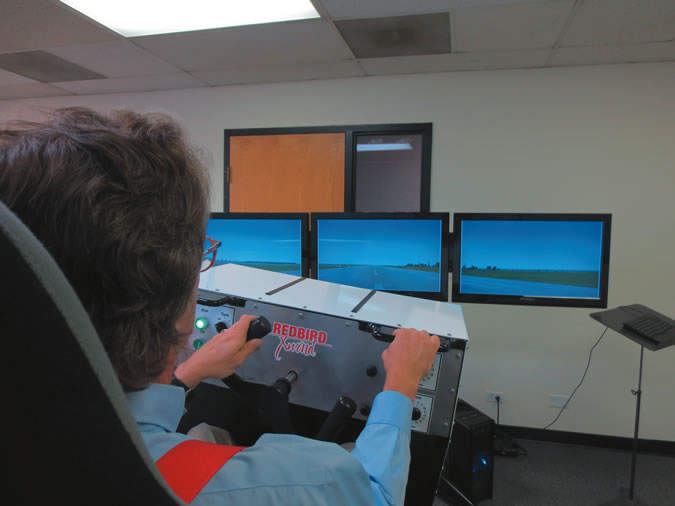
There aren’t any magic bullets for eliminating general aviation accidents—but I’ve just run across a dedicated, reasonably priced simulator training program that has a lot of potential for reducing the most common type of GA accident, runway loss of control (RLOC).

Read More »

Biometric Avionics: Not There Yet

On the heels of the suspected decompression and hypoxia-related TBM900 crash that took the life of Larry Glazer, the president of the TBM Owners and Pilots Association, and his wife Jane Glazer, a non-pilot physician asked if there are onboard systems that monitor the health of a pilot’s body during flight. That got me thinking. With all of the available avionics integration, why not include body health monitoring in the interface? You know, important stuff like blood pressure, heart rate, pulse and of course oxygen saturation levels.

Read More »

Aircraft Brakes: Assuring You’ll Stop

We stand on them, we ride them, we ignore them-and yet, fortunately, they rarely let us down. However, as good as brakes have become, their enemies are still neglect and corrosion, which can lead to that horrible feeling of nobodys home when you rock forward with your toes-followed shortly by the sounds of bending metal.

Read More »

Turbine Upgrades: Training Required

Despite an overall slow market, there is a steady growth in owner-flown turboprops and jets. TBM has no shortage of buyers for its hot new 900, Maibu owners are stepping up into JetProps and Meridians, Baron pilots are buying King Airs, Cirrus owners hold delivery slots for Vision SF50 jets, turboprop owners are looking at under $1 million price tags for nicely equipped Citation IIs and writing checks, and everyone seems to be salivating over Eclipses.

Read More »

Safety Refurbs: Crashworthiness

Goodness knows, there are a lot of ways we can spend money on improving our airplanes and plenty of folks who will promise us the moon in terms of performance or glitz or impressive panel displays. Many times the sales promotion includes a claim that the product makes the airplane safer. But which products do? New paint? Hardly. Glass panels? No proof, yet. Retrofit shoulder harness? You bet.

Read More »

PilotWorkshops.com: Excellent for Proficiency

Life keeps getting in the way of flying. We know that the best way to keep our skills and judgment level high is to fly frequently and take recurrent training every six months—just like the pros. But with seven-dollar avgas, we certainly aren’t flying nearly as frequently as we would like, and few of us schedule recurrent training more often than required by the FARs.

Read More »

Back To School: Garmin Avionics Training

in the Garmin GTN navigator owner survey (March 2013 Aviation Consumer), some respondents dinged the product for having a steep learning curve. Moreover, we heard from owners who took Garmin’s factory training course, commenting that it was too short—and fell short—when it came to mastering some of the subtleties of the system’s feature set.

Read More »