









Register

Maintenance

Engine Shop Survey: Field Overhauls Win

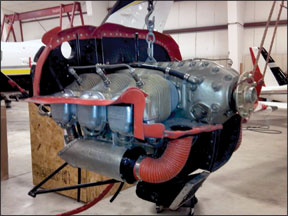
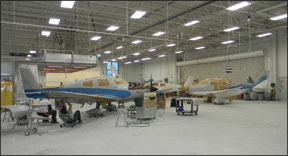
It goes from bad to worse. You sense something isn’t right with your engine, so you ask your shop to have a look. Hopefully it’s a fouled spark plug. Wishful thinking didn’t help because your shop called with news that you hoped not to hear for at least a few years: It’s time for an engine because half of the cylinders have low compression and there are valve problems, too. The shop suggests an overhaul. With dollar signs dancing in your eyeballs, it’s decision time. Do you opt for a field overhaul or buy a factory engine? How about cylinders, hoses, engine mounts and downtime? These are major considerations. The engine shop market is changing, so we conducted an engine shop experience survey on sister site AVweb.com to get a feel for how engine shops and the components they use are performing.

Read More »

Belly Degreasers

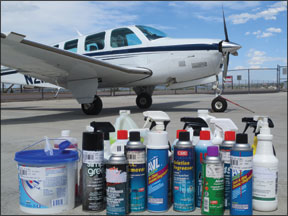
For many pilots, the first realization that the bellies of their airplanes are becoming hazardous waste sites is when ATC advises that their transponders are intermittent. Investigation reveals a layer of goo on the belly antennas, doing its best to block the signal. Frequently cleaning the by-products of engine operation—oil, grease, soot and other delicacies—off of the belly isn’t just presenting a pleasing view to the world when over-flying, it helps keep the dorsal antennas working their best, keeps potentially corrosive materials off the paint and aluminum and lets you easily see whether the fasteners are in place or the paint isn’t. The idea is to be able to remove that coating of grease, oil and soot without having to wear a hazmat suit. For many of us, water isn’t available at the hangar, or the airport requires that all washing be done on a wash rack that has a drain that catches the crud that comes off of the airplane—and it’s a half mile away.

Read More »

Letters: July 2013

Thank you for the article on the Turbonormalized P210 in the May issue. I had my P210 converted by Vitatoe Aviation in early 2012 and now have over 200 hours on the engine. I’m very pleased with the result—it performs as you described in the article: it’s much faster at all altitudes, including cruising at over 200 knots above FL180; climbs to the flight levels in about half the time as before; and most importantly, does all this without cooling problems. Engine management is much simpler than before and fuel consumption has dropped by about 3 GPH because I can reliably run lean of peak.

Read More »

Fixing Old Avionics: Think Long Term

Considering that a major avionics upgrade could outprice the aircraft, it makes sense to consider repairing—instead of replacing—your existing equipment. While this might seem like a good short-term solution, you might be throwing good money after bad. The repair versus upgrade decision might depend on your mission and whether the unit will be used for primary or backup. Consider three questions: How much does a like-exchange cost? How much serious IFR do you fly? Does the manufacturer still support the equipment? Be careful of using the excuse that you might sell the aircraft soon—selling with old radios works in the buyer’s favor.

Read More »

Autopilot Repairs: Worth a Try

It wasn’t long ago that an entry-level, two-axis autopilot was priced around 10 grand—including installation. Today, that price is double. Add some options and the bottom line could soar toward $30,000.

Read More »

Aircraft Detailing: More Than a Wash

One of the joys of ownership might be an afternoon spent at the hangar, sipping cold ones and shining up the airplane. But the effort might not be enough to protect the paint and other surfaces from long-term damage. Neglected surfaces may be too much to handle.

Read More »

Spin-On Oil Filters: Champion or Tempest?

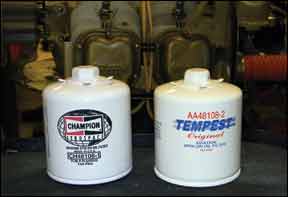
While there are currently two choices of readily available, spin-on aircraft oil filters­—Champion Aerospace and the Tempest Original, made by Aero Accessories, what goes on your engine during an oil change will likely depend on what your maintenance shop has on its parts shelf. It may also depend on which brand of filter is currently on the engine. For this article, we put the two filters head to head. We bought one each Champion and Tempest 48108-series filter—which fit Continental engines—and sifted through their technical specs. Thanks to some help from the Total Aircraft Maintenance shop in Hartford, Conn., we cut each filter open and scrutinized their design. Here’s what we found.

Read More »

Letters: March 2013

Nice article by Larry Anglisano on ADS-B in the January issue (Which Traffic Now?). I agree with Larry that the portable solution for ADS-B in should be given good marks over the installed solutions. One point that I feel is important is that I don’t think the geographic limits of the weather information available is understood by users. A friend was returning from Florida to the D.C. area and when he could not get TAFs and METARs more than 250 NM from his position, he thought there was an equipment problem, not realizing that low-tier stations have a 250 NM look-ahead range. I guess I am spoiled by XM Radio, but I like to look at the METARs and TAFs in my destination area when the weather may be marginal and I’m still we’ll over 250 miles away so that if things start to go south, I can land early or take other appropriate action. As a general rule, 250 NM is not a satisfactory look ahead.

Read More »

Alternator Repairs: Plane Power Tops

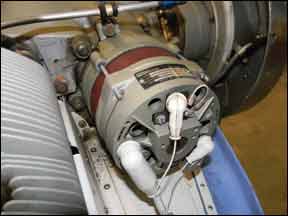
When pilots talk about problems with their airplanes, alternators tend not to be a subject of the conversations. That’s because alternators are pretty reliable, which is a good thing because most of our airplanes have just one and they are run to failure items. However, when an alternator does fail, an owner is suddenly thrust into a confusing world of original equipment replacements, upgrades, overhauls, new manufacturer replacements, core credits, repairs and prices that can vary by 400 percent. We’ll explain what an alternator does, why it’s important to troubleshoot electrical system glitches before buying replacement parts and what your options are if your alternator truly has slipped its mortal coil.

Read More »

Plug-In Power: Extend Battery Life

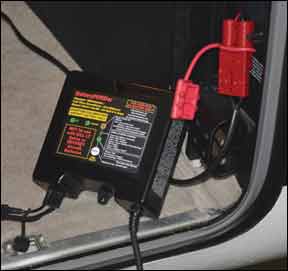
We’ve killed enough healthy batteries to know that external ground power is essential. Whether for use during preflighting, toying with newly installed avionics or updating data and flight plans, aircraft batteries can’t sustain a charge for long. That’s why a portable GPU and a battery charger should be in every maintenance hangar. Enhanced Flight’s next-generation plug-in power supplies do both, while also conditioning a battery for increased life. We put the latest generation model 2870A to the test and it earned its keep in just one work day.

Read More »

Letters: December 2012

I maintain 13 airplanes for a flying club averaging 500 hours monthly. We have transitioned to Tempest plugs, having used Champions for 50 years. The reasons are exactly as you outlined. Center electrode cracking was getting annoyingly significant, but the real straw on the camel’s back was the resistance issue. Both have been completely solved by changing plug brands.

Read More »

Boot Replacement: Minimal Competition

When your airplane’s in annual, you probably monitor the caller ID with dread, living in fear of a call from your A&P that portends something expensive. If your airplane has de-ice boots—approved for known icing or not—they could easily be this year’s money hole. A full-up replacement set can cost, installed, anywhere from $11,000 for a single to $20,000 for twins. …

Read More »