Maintenance

Cirrus CAPS Repacks: Expense, Depreciation

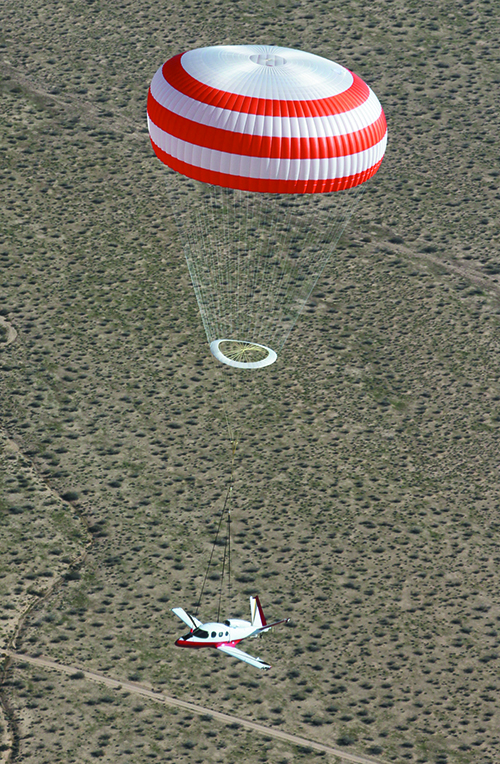
Cirrus owners rave about having the CAPS parachute system as the ultimate safety backup, but if you’re shopping for a used Cirrus, know this: Many used airframes are coming up on the required 10-year parachute repack cycle. This work is expensive, requires considerable down time and can only be accomplished by select and highly specialized shops.

Read More »

Spark Plugs: Fine Wire or Massive?

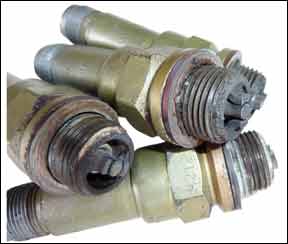
If you’re running a normally aspirated, large-displacement engine at least 100 hours a year, we think that fine wire plugs will be less expensive than the massive electrode style when you total up the full cost of the plugs, maintenance and possibly fuel efficiency. And, yes, we recognize that the purchase price of fine wire plugs is two to three times higher than massives.

Read More »

Letters: October 2012

Flying a Piper Archer II, I drooled over the gas mileage of your best LSA pick, the Pipistrel Virus. So I flew to the SLA showcase in early 2012 at Sebring, Florida airport to get a closer look at the Virus. Once I got into the pilot’s seat, I wondered who would buy this airplane? To me, it is downright dangerous, as the main wing spar intrudes into the cockpit, crossing just a little bit in front of and above your head. (I am only 5 feet 9 inches.) In a not-too-perfect forced landing, your head could easily be crushed by the impact with the main spar. I mentioned my concern to the salesman who responded that, “You lean forward in front of the spar just before impact”… then I surmised the back of my head could be crushed as the indeterminate G forces toss my body and head around in milliseconds, seatbelts notwithstanding.

Read More »

GAMIjectors: Precision Fuel Injection

Back in 1996, when General Aviation Modifications, Inc., (GAMI) of Ada, Oklahoma, announced that it had developed tuned fuel injectors called GAMIjectors, we were skeptical of claims that these gadgets made the engine smoother and more economical through lean of peak EGT (LOP) operation. After all, we’d seen our share of bolt-on engine devices that promised to enhance engine performance, longevity and cut fuel use than we liked to recall. Few if them worked. But GAMI was persistent and it published detailed engine operational data which helped sell the product to a pilot community accustomed to “trust-us, it-works” marketing. GAMIjectors developed a strong following, with more than 1000 selling in the first year. Loyal acolytes praised them to the skies, insisting that they were burning less fuel and their engines were running cooler. A devoted core of skeptics took the opposite view, arguing that owners were going to burn up their engines, cylinder life would be measured in double digits and the engine manufacturers would deny warranty claims on modified engines.


Read More »

Glass Panel Upkeep: Inspections, Software

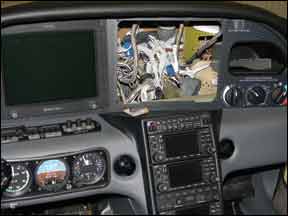
While stepping up to a glass panel may appear to offer lower maintenance bills and downtime, it’s just as likely that when the all-in cost of ownership is added up—including data revisions—glass could cost more than a well-kept steam gauge panel. Glass ownership is fraught with unexpected costs that many owners seem unprepared for. Routine costs might include optional upgrades, which offer system improvements and additional features. Some of these are free through manufacturer-provided software downloads, but cost several hours of billable shop labor to perform. For aging systems, some repairs could run thousands of dollars, especially if you haven’t purchased an extended warranty. In this article, we’ll take a look at some of the maintenance issues you might expect with glass panel ownership.

Read More »

Letters: August 2012

I was really taken with your article on VGs in the June 2012 issue. I put them on my first Cessna 310 over 25 years ago. Checking them out, I feathered the right engine, put full power on the left and pulled into a steep climb. Pulled until the airplane stalled at about 5 knots slower than before. I still had positive aileron and rudder control. The stall was smooth, straight ahead. Next, restarted the right engine, let it warm up, shut down the left and repeated the process with the same results. I was really impressed and pleased with my decision to install them. Since then, I’ve been a real advocate and have even proposed that there be an AD to require them on all light twins. I still feel that way. I hope your article makes a believer out of more people. Could save a lot of lives.

Read More »

Letters: September 2012

When considering the viability of electric-powered aircraft, it’s important to note the huge difference between the internal combustion (IC) engine that burns hydrocarbon fuels and an electric motor that relies on a battery energy source. The ratio of air mass to fuel mass at efficient combustion (stoichiometry) is about 14.6. That is, for every pound of fuel burned, 14.6 pounds of air are consumed. But you don’t have to carry the air since it is available in the atmosphere. Fuel weighs about 6 pounds per gallon, so 16 gallons of fuel weigh about 100 pounds. Over 1400 pounds of air will be consumed in burning that amount of fuel. An electric motor requires that all of the energy be contained in the battery. Since the energy density of lithium batteries is about 26 times less than the energy of gasoline, there is nowhere for electric propulsion to go. It is interesting to note that gasoline has 10 times the energy density of TNT that needs to carry its oxidizer within.

Read More »

Interior Shop Survey: A Big Drop in Activity

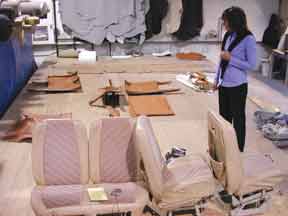
Discretionary spending is one of the first casualties of tougher times, so we expected a drop in responses to our latest survey on interior shops. When you need a new engine, you pony up. But the airplane still flies with threadbare seats and cracked vinyl. You can tough it out. But this mineshaft canary survey surprised us. In 2008, we got 209 responses—not an overwhelming number, but enough to see some trends and make some solid recommendations. This time we got 132 responses. That’s a 37-percent drop, which is much more significant than we’ve seen on other surveys past to present. We also noticed a sharp rise in the number of do-it-yourself jobs. In 2008, six percent of the respondents bought kits from Airtex or reported some other DIY interior. This time, 10 percent had bought Airtex interiors, and that number climbs to 16 percent if you lump together those using Airtex kits with several folks who removed parts, brought them to a local auto upholstery shop and then reinstalled them.

Read More »

Reducing Lead Fouling: TCP is Back

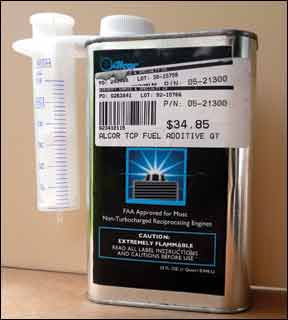
After a long period of difficulty obtaining it, TCP has come back on the market in volume and that’s a good thing, especially if you own an engine that’s susceptible to lead fouling of plugs. TCP is used to reduce lead deposits on spark plugs, thus reducing fouling. It also helps reduce valve deposits. This means better performance and less need to pull plugs to manually clean them, resulting in money saved and reduced frustration. Using TCP is simple. It employs a syringe and fluid can arrangement, where TCP is squirted into the aircraft fuel tank at fill-up. One ounce treats 10 gallons, so it adds less than 10 cents a gallon to fuel cost. (A quart of TCP is $35.)

Read More »

Letters: June 2012

Your article on lightning detectors (see Aviation Consumer, April 2012) underplays how good Insight’s Strike Finder is and how good a value it is. I cut ‘em closer than recommended, but my Strike Finder never steers me wrong. Your article suggests that downloaded radar images can be 30 minutes old. With most storms going through a 20- to 40-minute cycles from birth to death, I consider this worthless. I’ve been trusting my life to Strike Finders since about 1990 for nine years and then a new one in 2002 (with internal gyro stabilizing and the super-bright display) when I got my Arrow. They never steer me wrong and I’ve never had the slightest problem with either of them.

Read More »

Aircraft Antennas: Worth a Close Look

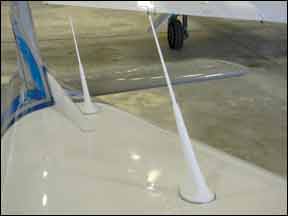
Geeks to the core, we’ve always had an odd fascination with aircraft antennas. Maybe it’s our ham radio background or the fact that airborne antennas are a critical means of communicating, navigating and reporting our position to the ground. Truth is the average pilot rarely gives these critical antenna systems—fondly slanged “antlers” around the shop— a second thought. That’s until the avionics shop suggests a high-cost replacement option or they’ve deteriorated to the point of creating a system failure. Antenna work can be an expensive endeavor while fabric and composite aircraft could make the invoice even more shocking. Here’s an insider’s look at antenna maintenance, tips for upgrading ancient ones and some of the symptoms associated with deficient antennas.

Read More »

Lightning Detectors: Still Worth Having

Back in the day if your aircraft sported a Ryan Stormscope, you might lead the way around buildups just like the heavy iron did with ship radar. Today, many owners are yanking old Stormscopes and StrikeFinders from the panel in favor of datalink radar. After all, your trusty portable GPS saddled up with satellite weather tells you everything you need to know about storms. This argument is highly debatable, and that’s why there’s still a market for traditional lightning detection gear. The good news is that the used market is littered with models of all vintages to choose from. There’s also the high-end Avidyne TWX670 and proven WX500 Stormscope, both of which are compatible with many existing displays.

Read More »